TYPES OF CAMERA | LENSES | LIGHTINGS
CAMERA BODIES
1. DSLR (Digital Single Lense Reflex) Camera
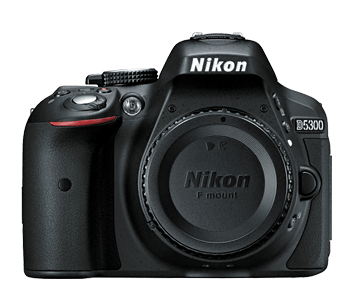
A DSLR camera is the short form of Digital Single Lens Reflex Camera. It is the most popular types of cameras in the market. All professional photographers will have one DSLR camera in their kit. It is actually a combination of a digital imaging sensor with a single lens reflex camera.
2. Mirrorless Camera
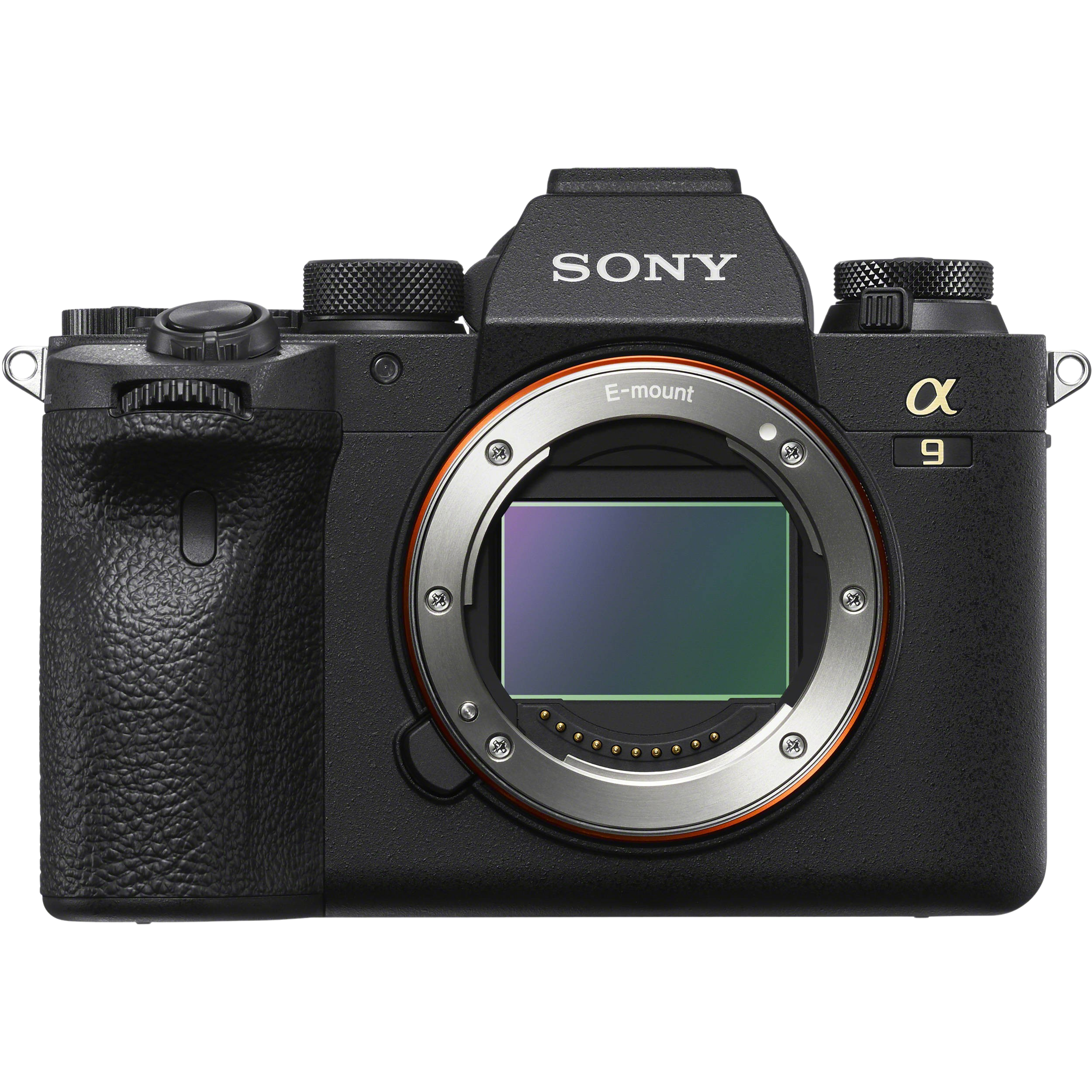
If you remove the optical viewfinder from a DLSR camera, then you
get the mirrorless. So, the optical viewfinder would be missing from
the mirrorless camera. This removes some amount of weight from the
camera body.
Image falling on the camera sensor can be seen directly on the
viewfinder. This makes mirrorless cameras lightweight and easy to
handle.
You can get both Crop (APS-C) camera bodies as well as full-frame
camera bodies in mirrorless cameras. Sony A1 is the current best
full-frame mirrorless camera body. Nikon and Canon also have
mirrorless camera bodies.
They also come with a detachable lens feature. The lens options are
comparatively less since they are new to the market. Nikon and Canon
have come with adapters, to mount the existing DSLR lenses onto the
mirrorless cameras.
Like DSLR cameras, mirrorless also allows you to capture the image
in RAW format.
3. Point and Shoot Cameras

Point and Shoot cameras are compact cameras, useful for people who
want to capture vacation pictures or family pictures. These are for
people who are not interested in photography and just wanted to
capture images.
They come with a fixed lens and variable focal length. You will not
be able to get the telephoto reach in a point and shoot camera.
Hence, it is the best camera for documentation purposes.
Here, the image would be recorded in JPEG format. Most of the Point
and Shoot Cameras use AA batteries. Only a very few cameras come
with custom batteries. Among the different types of cameras for
photography, point and shoot cameras are lightweight and, you can
easily carry them in your small bag.
4. Smartphone Camera
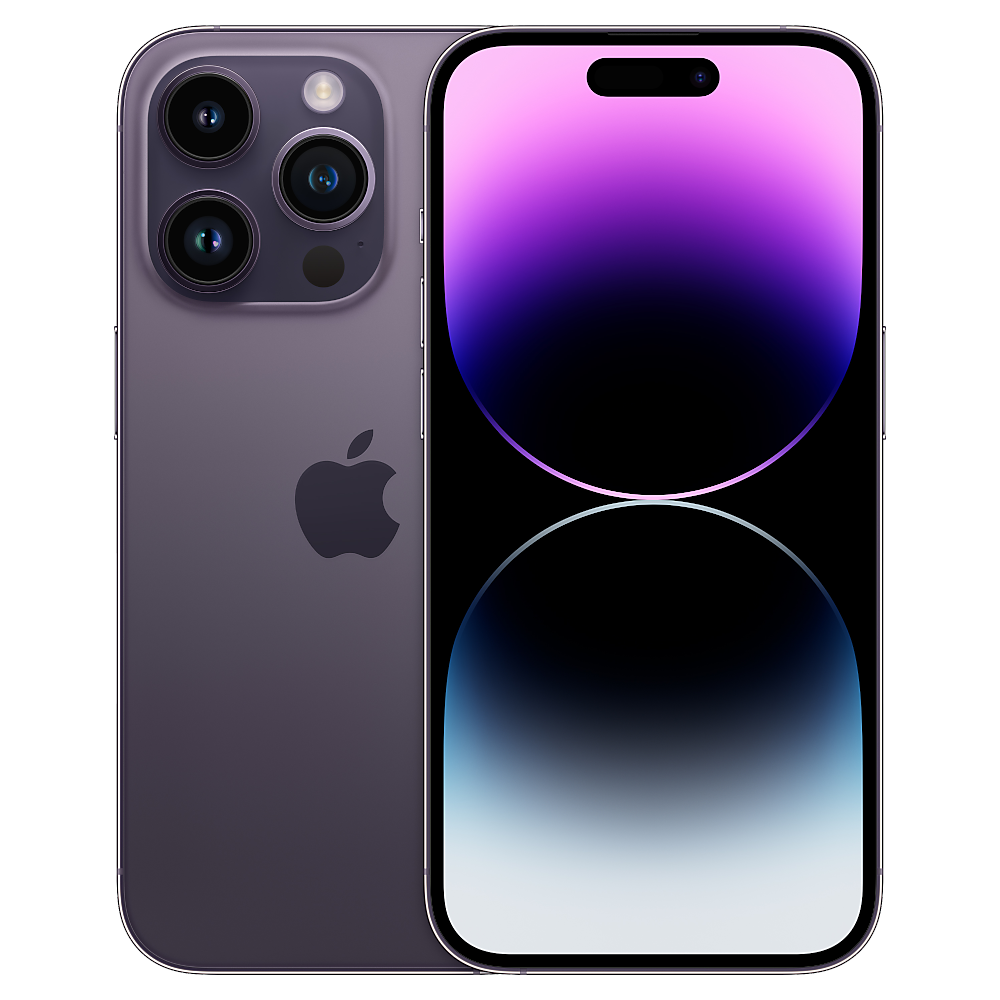
Nowadays, we are getting good cameras in Smartphones itself. Almost,
all smartphones come with dual cameras, one in the front for selfies
and one at the back.
Some smartphones even have triple or quad cameras at the back, one
for portrait shots, one for macro, one for telephoto, and the other
for wide-angle shots. With the help of software, you can get
DSLR-like blur effects on the photos.
This feature makes smartphone cameras more attractive to people who
are looking for DSLR camera features in a compact size.
The rise of smartphones with good cameras resulted in the decline of
point and shoot cameras. Some smartphone even allows you to capture
the image in RAW format, which you can edit later.
But, don’t expect this RAW file to have the same amount of picture
details as a DSLR or a mirrorless one. These types of cameras are
mostly suited for people who always want to have some camera in
their pocket or for those who don’t want to carry separate cameras.
Smartphones like iPhone 14 Pro Max from Apple, Redmi Note 10 Pro
from Xiaomi are a few examples of smartphones with good camera
features.
5. Instant Camera
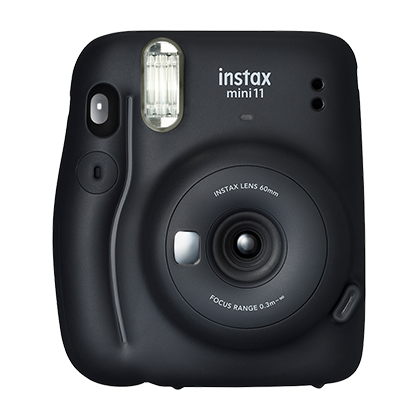
The earlier generation of Instant cameras used films, and they got
replaced by paper prints. There are many different models from
Fujifilm, and other Instant camera manufacturers. Kodak and
Polarioid are the other known manufacturers of Instant cameras.
Polaroid Now+ and FujiFilm Instax Mini 11 are two popular instant
cameras.
6. Action Cameras

Action cameras/ GoPro Cameras are known for their miniature size,
capable of fitting into many places where it is tough to mount
normal cameras.
You can use an action camera to capture images, record videos, and
do time-lapse photography. They come with various mounting options.
You can mount it on a helmet, wrist, body, on vehicles, or on
clothing.
There are camera housings which you can use to record videos
underwater. Most of the action cameras support 4k resolution.
Certain action cameras allow you to connect it to your smartphone
for remote triggering and live view.GoPro and YI are some of the
well-known action camera brands.
7. Rugged Cameras

Rugged cameras are shockproof and waterproof cameras. Specification
wise it is more or less similar to a point and shoot digital camera.
Here, the difference is in the build quality. Rugged cameras are
all-weather and all-terrain cameras targeted toward adventurers. So,
even if you drop the camera from a height or into water. It will be
able to withstand the fall to an extent. So, if you are an
adventurer or an explorer, then this camera is for you.
Olympus Tough TG-6, Ricoh WG-6, and Fujifilm FinePix XP140 are some
of the popular models in this type of cameras.
8. Film Cameras
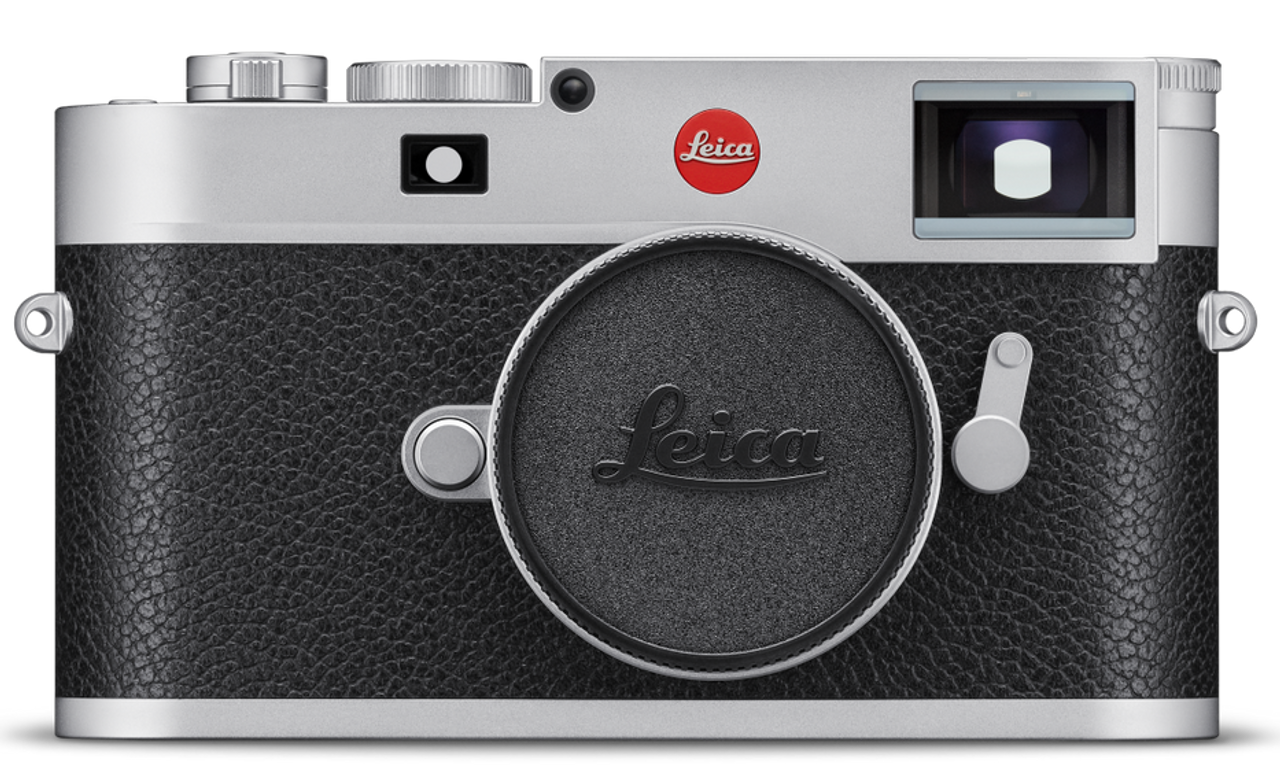
Last but not least, we have film cameras. It all started with film
cameras. During the early days of photography, we use film as the
medium to record images. Later, Film got replaced by the camera
sensor and memory cards. It is one of the old camera types.
The ISO part of the image comes as the film feature. So, we need to
change the film rolls according to our ISO needs.
You can control the Aperture and Shutter speed in the camera. Now,
camera manufacturers have stopped producing these types of cameras
for photography due to the lack of demand.
CAMERA LENSES
1. Prime Lenses
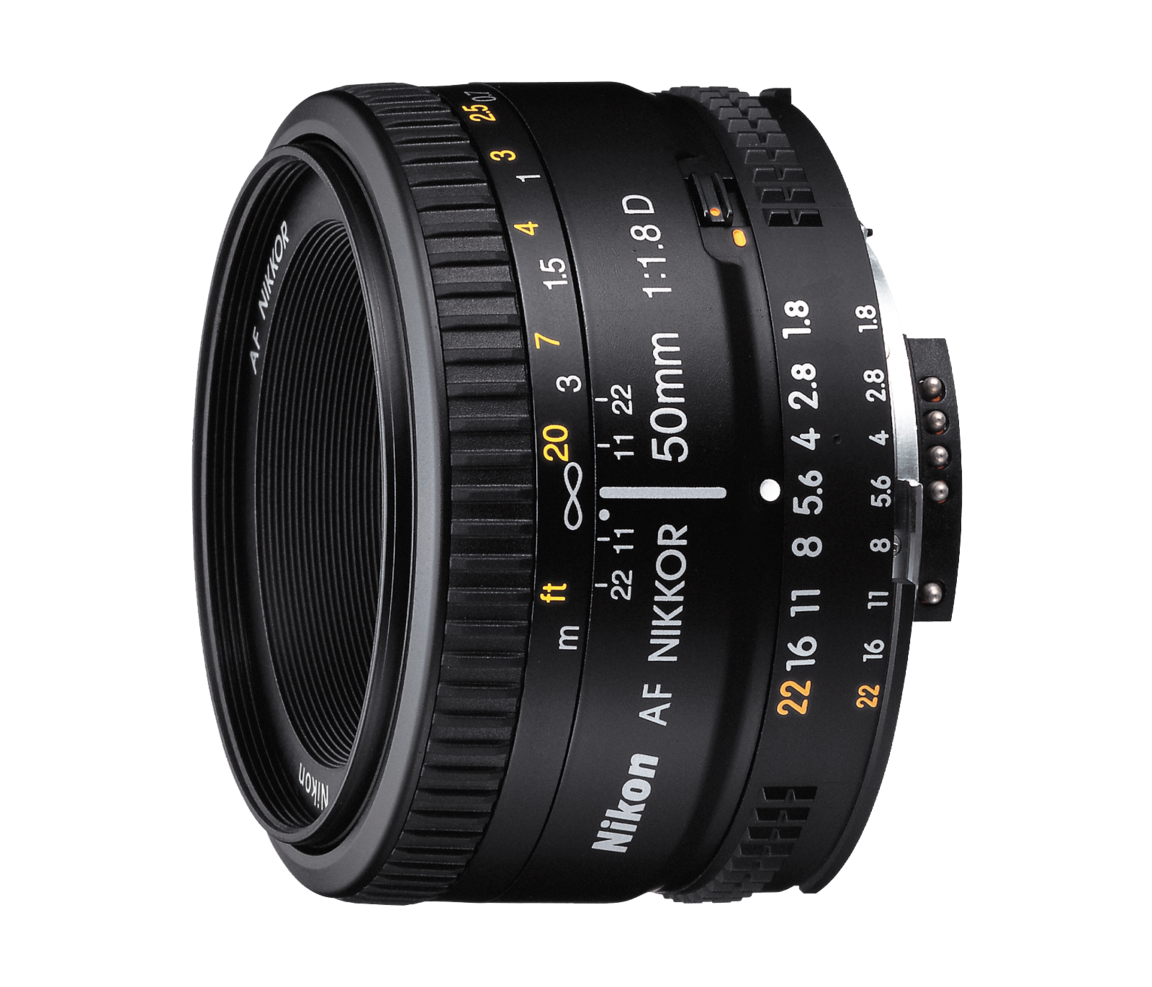
Primes have a fixed lens focal length, making them faster and sharper. While prime lenses are less flexible due to the fixed focal length, they are also fast and lightweight, making them easy to travel with
2. Zoom Lenses

Zooms use a series of lenses to allow different focal lengths from a single lens, making them more flexible but not as fast. They contain more glass, which aids in their flexibility, but they also tend to be bigger and heavier than prime lenses.
3. Macro Lenses
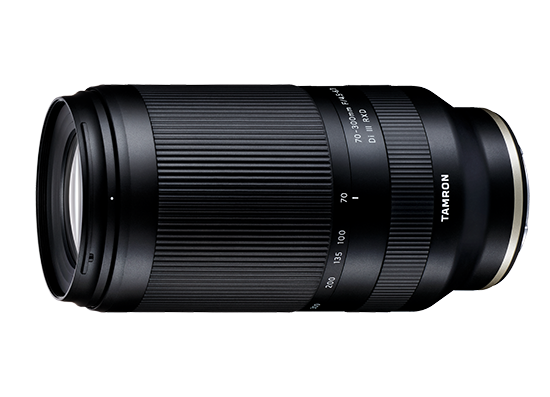
This type of camera lens is used to create very close-up, macro photographs. They have a unique design that allows them to produce sharp images at extremely close range. These lenses are great for nature photography, enabling you to capture an enormous amount of detail in one image.
4. Wide Angle Lenses
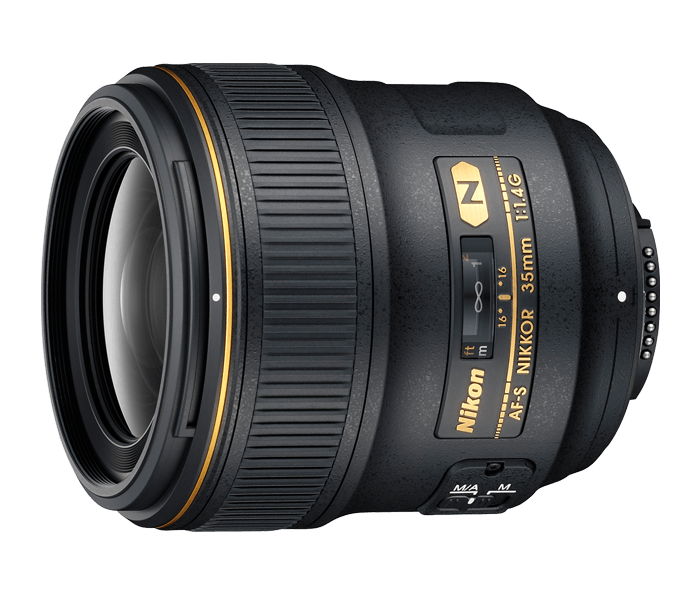
Wide angle lenses are ideal for fitting a large area into your frame. This is especially useful for landscape photography or street photography. With wide angle lenses, almost everything is in focus, unless your subject is very close to the lens.
5. Standard Lenses
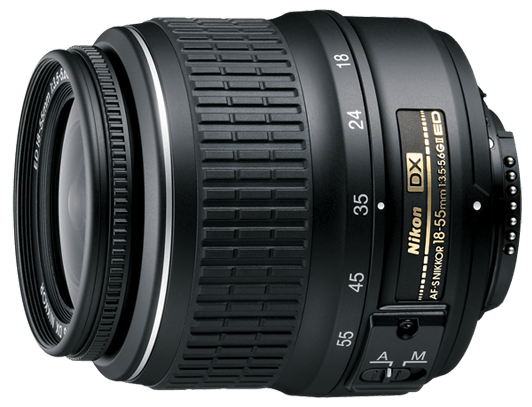
Standard lenses can be used for a variety of different types of photography. Their focal lengths fall somewhere in the middle, usually between 35mm and 85mm. A zoom lens within this range will have a small enough focal length at the bottom end to take a wider angle, full-frame photo, and a large enough focal length at the top end to zoom in on subjects.
CAMERA LIGHTING EQUIPMENTS
1. Strobe Lighting
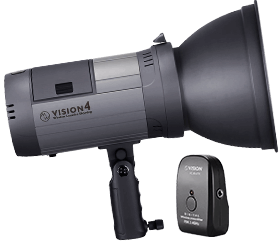
Strobe lights are a type of flash lighting that dominates the world
of studio lighting. When we talk about studio lights, we’re often
thinking about strobe lights.
A strobe light can be a mono head, such as the Neewer Vision 4,
which houses the battery and light in one compact unit. Or it can be
a light that needs to be hooked up to a high-powered battery.
With both of these types of strobes, the strength of the flash
output can be controlled.
Their power can be measured in watt-seconds. Certain studio lighting
situations require more flash output than others.
For example, food or product (tabletop) photography might need one
light with 400 or 500-watt power, such as the Godox SK400II. This is
because the scene is usually small.
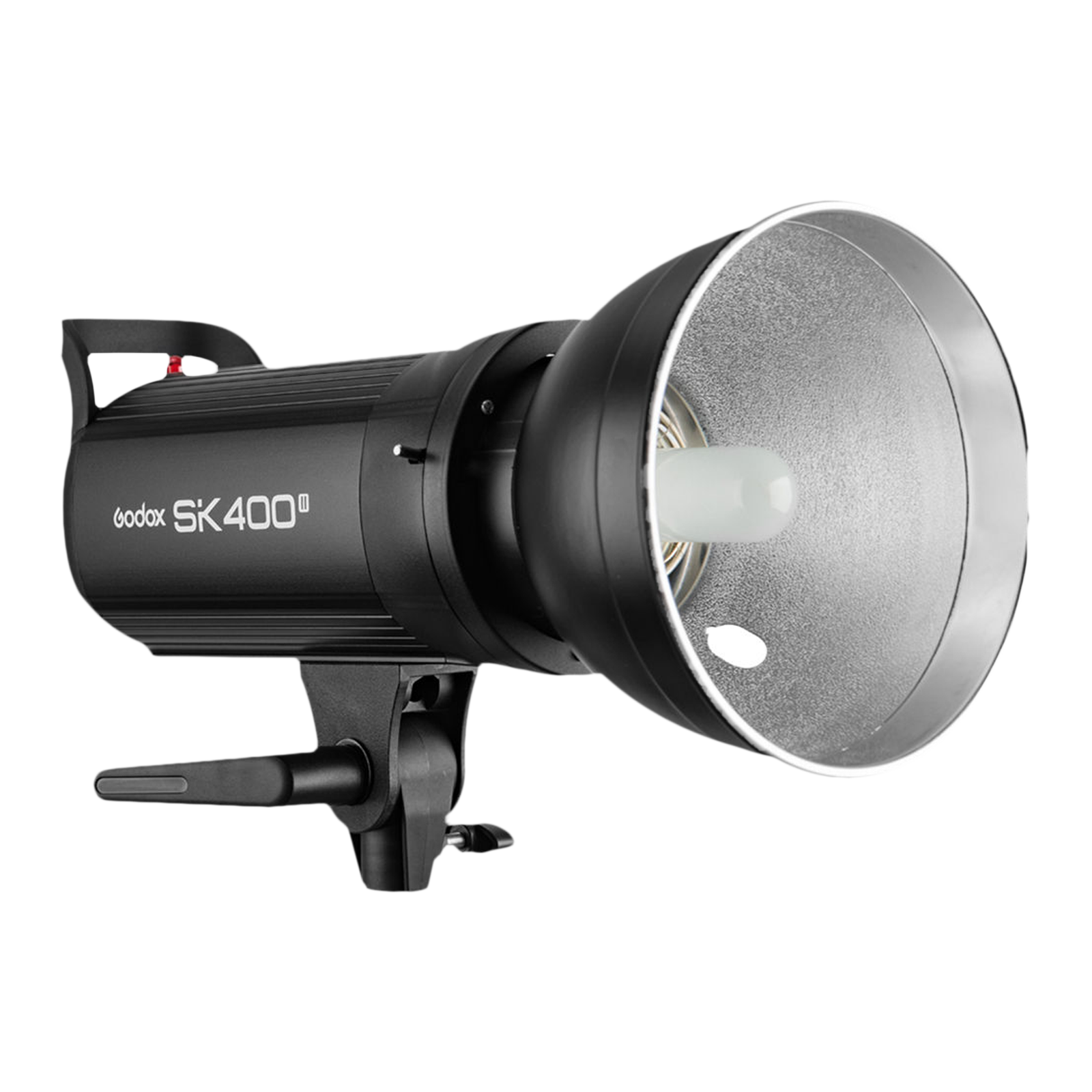
A much larger scene like a group portrait might need double that or
extra lights.
When buying or renting strobe lighting equipment, you want to make
sure that you’ll be able to plug it into the wall of the studio
without tripping the lighting.
Though there are some strobes that do not need to be plugged in.
They are battery operated and can be used outdoors as well.
These days, you can buy a powerful strobe at a low price. It’s not
the power that makes one strobe more expensive than another.
It’s often the build quality/durability and the quality and
consistency of the flash output.
With strobe lights, you need a syncing device that will help you
sync your strobe to your camera.
2. Continuous Lighting

Also known as “hot” lights, continuous lights for photography don’t
“flash”. Rather, they are a continuous lighting source. They allow
you to see exactly how the light is falling on your subject before
you press the shutter.
This is a great advantage for product or other types of still life
photography. But continuous lighting has not been as popular as
flash units.
They have less power. And matching the light to other ambient light
sources that can influence the scene is a challenge.
Another disadvantage is that they can get very hot, hence the
nickname “hot lights”.
LED lights, like these Viltrox lights, are changing the face of
continuous lighting. They don’t heat up like other continuous
lighting does and provide a high quality of constant light.
The best LED lighting equipment costs in the thousands, rivalling
the price of the best strobes.
3. Speedlights
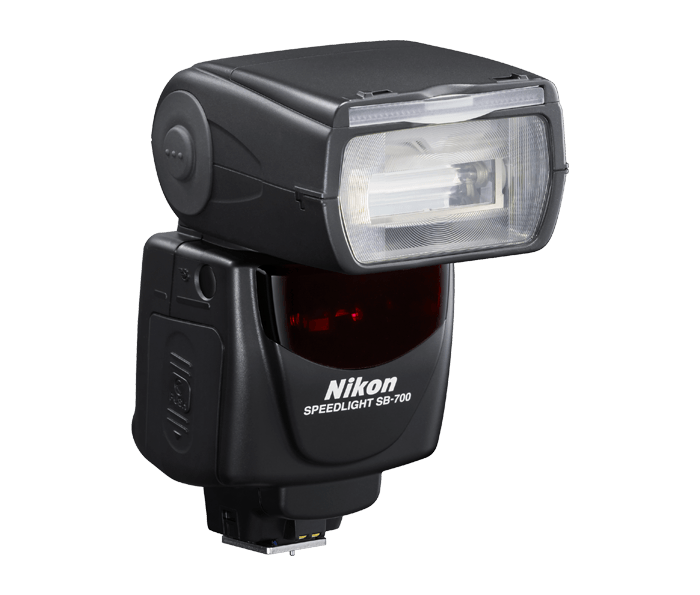
Speedlights are a type of small flash used in and out of the studio.
They provide light, or in the case of outdoor daylight, add fill
light.
They are a relatively weak power source compared to strobe lighting.
They emit about 1/4 of the power that the average strobe can output.
They also produce a narrow beam of light due to their small size.
This can result in harder shadows and a look that is more obviously
artificial.
That being said, they are relatively inexpensive. Several
speedlights used together can produce great studio lighting. They
also offer a light, portable option with a lot of versatility.
Speeedlights such as the Geekoto Flash are compatible with most DSLR
brands. ou can also buy more expensive, camera-specific ones, for
example, the Nikon SB-700.
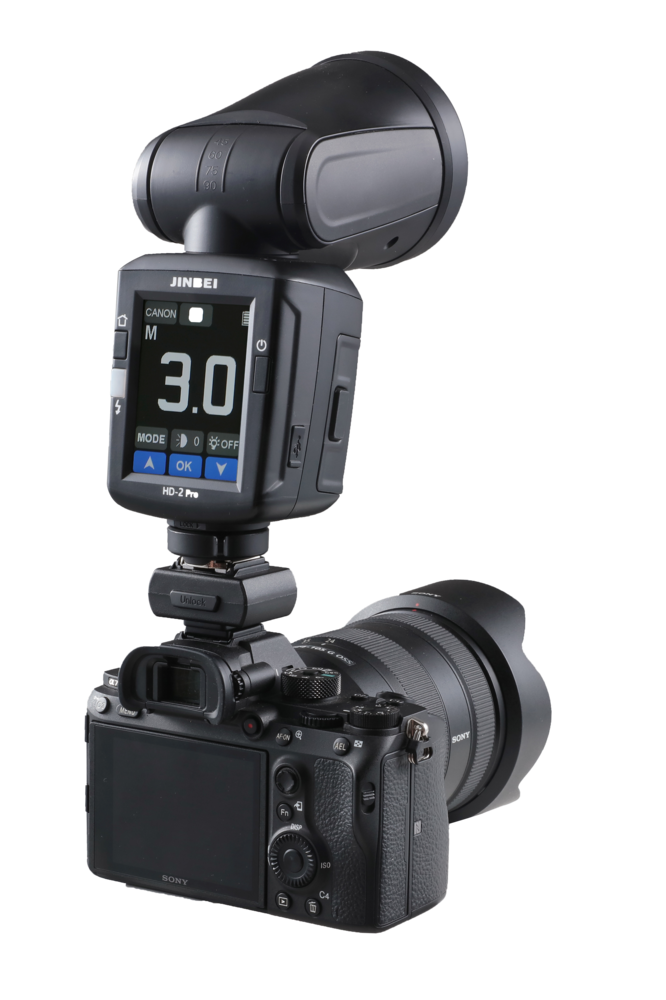
Speedlights can be mounted on your camera’s hotshoe to provide an
on-camera flash. For best results, speedlights should be fastened to
a light stand and used off-camera.
ADDITIONAL CAMERA LIGHTING EQUIPMENTS
You need several accessories that will allow you to get the best out of your lighting. Here are the basics:
1. C-stands

C-stands (Century stands) are a must in every studio. They are used
to set up your modifiers, hold reflectors and diffusers, or even rig
your camera over your set. The Kupo C-stand is popular.
Every pro photographer has several c-stands in their studio. For big
jobs, they rent even more.
2. Light Meter
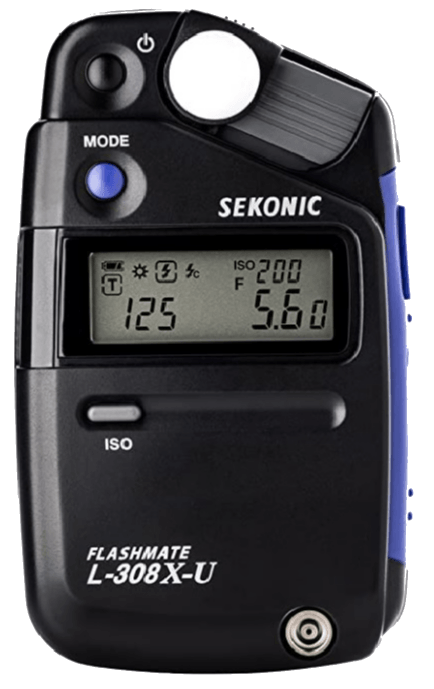
To set the power on your lighting and achieve the proper exposure,
you’ll need a light meter.
A light meter will allow you to see if there is enough lighting
falling on your scene. This way, you’ll be able to make adjustments
to your flash output or aperture.
3. Reflectors
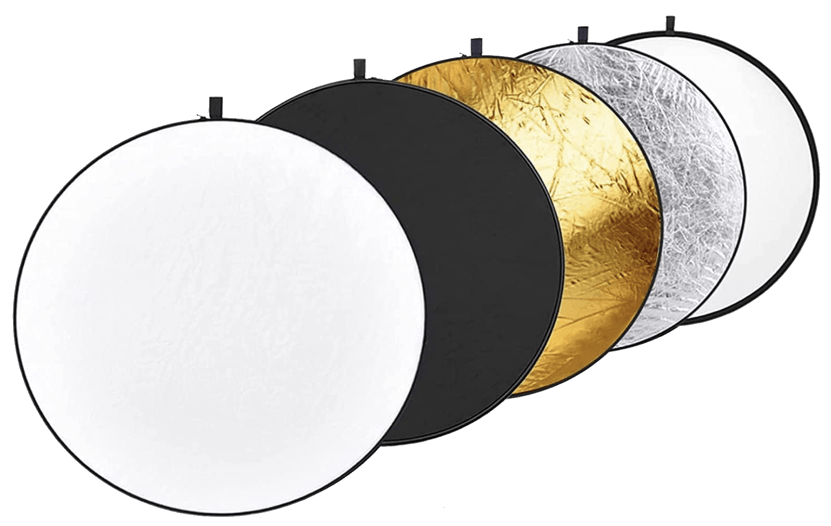
Silver and gold reflectors in a variety of shapes and sizes. Their
purpose is to affect the shadows in a scene.
The gold will add a bit of warmth to your scene. The silver will
create a brighter scene than can be created with a white bounce
card.
You can place the reflector opposite the light to bounce some fill
light onto your subject. It can also be placed in the lap of a
portraiture subject to soften shadows under the eyes and chin.
Lastolite is a top brand, but you can also buy cheaper alternatives
from brands such as Neewer.
4. Diffusers

In addition to using the correct modifier, you may also further need
to diffuse your light source. When purchasing a reflector kit, a
diffuser will usually be included.
You can also DIY a diffuser from a translucent curtain or shower
curtain, or otherwise translucent material.